Struggling To Conceive

Struggling To Conceive

Our fertility struggles are not something I post about often. I was told it was unlikely I would be able to conceive naturally, and fertility treatments/IVF weren’t necessarily an option (it’s a postcode thing). I did manage, though it took years of trying for both our boys and the journey was not without our disappointments and heartbreaks. Struggling to conceive is a difficult time for both of you and it is ok to be disappointed, hurt and even jealous of others. It is natural. 

Struggling with conception can be a worrying time. It is worth mentioning that it is not uncommon for people to not fall pregnant immediately. We all hear stories about people who conceive in the first month of trying however it is important to remember that this is rare and not considered the norm, especially for those coming off contraceptive pills etc. Your first port of call after a year of trying or if you have worries would be your GP who can refer you to a specialist if they feel it is necessary.

If you, your partner or you both have a fertility issue, there are a range of options you could look at in order to achieve that much-awaited positive pregnancy test. 

Struggling to Conceive? Consider Your Physical Health

Of course, it would be just plain wrong to suggest that living healthily will instantly solve your problems, but sometimes, it can have a big effect, to the point where it’s worth trying. Get more exercise, more sleep, and eat a highly nutritious diet. There might be a chance that with this effort your chances of fertility could rise. However, over-exercise and being underweight has also been associated (but not fully linked) with lower fertility rates, so be sure you’re remaining careful and truly health-focused in your efforts.

Visit A Fertility Clinic

A fertility clinic directory should help you find the best treatment or assessment to help you figure out your next step. Not only will they take into account your physical requirements, but also your emotional and spiritual needs as a couple. They will be able to analyse your personal situation and offer advice based on your individual needs. Speak to your GP about taking this next step, if it is appropriate to you.

Consider Every Option

IVF treatment, adoption, surrogacy and a range of other potential options are all worth considering. Don’t dismiss these options immediately. It might not seem that these are an ideal solution for you but do the research anyway. Who knows where your fertility journey will take you?

Take Care of Each Other

Your physical health when trying to conceive is important, as is your mental health. Struggling to conceive can cause enormous strain. I, for example, always struggled with guilt. I have the fertility issues and therefore always felt bad for being the “problem”.

It’s not always easy for the men on our lives either. Support often seems to be geared more towards the women (in our experience) however if there are two of you struggling to conceive and both wanting to have a child, two of you feel the same disappointments.  Make sure you are there for each other and look at ways to stay mentally healthy as well as physically. Counselling can go a long way towards helping with this aspect of struggling to conceive.


Wherever you are on your journey I wish you all the very best. I’ve not got any “off-the-shelf” platitudes because I’m pretty sure you’ve heard them all before. Be kind to yourselves and keep on asking questions and researching your options.

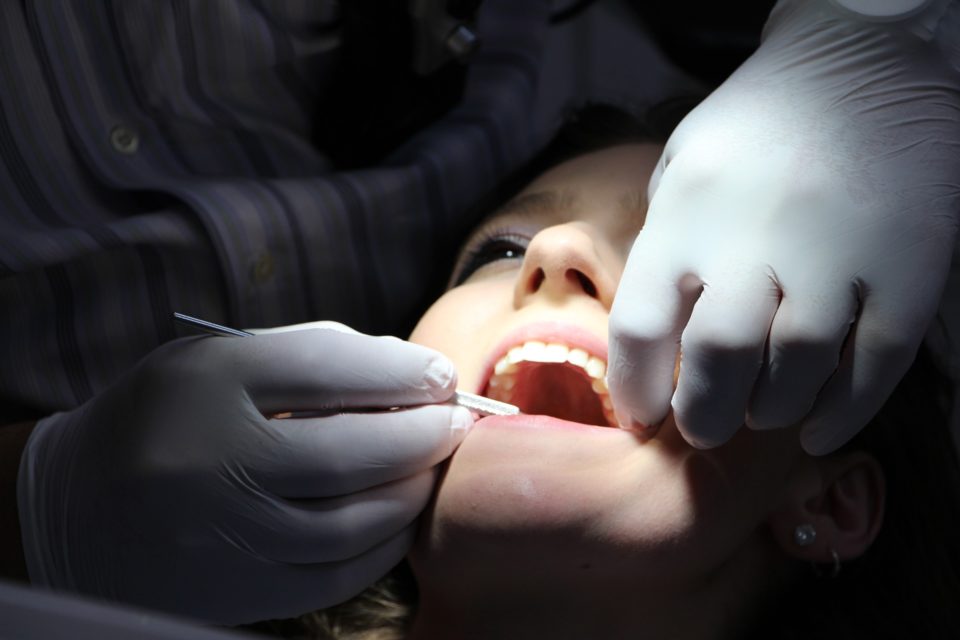
Tooth Decay and Inflammation

Tooth Decay and Inflammation

A random topic for you today: tooth decay and inflammation. Random but something worth thinking about if you want to maintain good oral health. I hadn’t realised how many things could affect your teeth until I was diagnosed with gum disease which I hadn’t realised is much more likely if you have diabetes, which I do. We should all know a little more about our teeth and how to maintain them as they need to last!

  Most of us like to think that we know what causes tooth decay: sugar. But it turns out that the process of tooth decay is a lot more nuanced and complicated than the majority of people know. Yes, sugar and snacks play a role, but they’re only a part of the story. Tooth decay also occurs as a result of systemic inflammation, one of the most underrated issues of long-term oral health issues.

How Inflammation Leads To Tooth Decay

There’s an idea among the public, and even some trained professionals, that tooth decay is the result of sugar attacking the teeth. Sugar, however, is in itself harmless to tooth enamel: the problem comes when bacteria start feeding on it and churning out harmful waste products.

If you’ve ever gone a day without cleaning your teeth, you may have noticed that they start to feel a little grainy or rough on the surface. This graininess is the beginning of the formation of plaque, a thin see-through film of material that builds up the surface of teeth and around the gumline. Plaque slowly damages teeth over time, and in extreme circumstances, can penetrate the tooth enamel, causing a cavity.

It turns out that plaque isn’t sufficient to cause tooth decay and gum disease. Many populations around the world do not have access to modern oral hygiene products, like toothbrushes and toothpaste, and yet they live out their lives quite comfortably, without losing any of their teeth to rot. Why?

It turns out that the type of bacteria that grow in our mouths determine the harmfulness of the plaque that they create. Bacteria that grow in the mouth of a person eating whole plant food are very different from those that grow in the mouth of a person who eats sugary snacks and meat. One eating pattern leads to plaque but no disease, whereas the other leads to both plaque and mouth disease.

If you go to the dentist, you can have plaque removed. Some populations around the world do not have access to any dental procedures at all. The reason they stay in good health is that they are not fostering the growth of bacteria which produce harmful plaques as a by-product of their metabolism. They still have plaque in their mouths, but it doesn’t seem to result in disease.

Inflammation And Plaque

Researchers now suspect that inflammation may play a significant role in the development of periodontal disease and tooth loss. Plaque creates an inflammatory response which damages the periodontal area (the tissue immediately surrounding the teeth). It’s the body’s inflammatory response interacting with damaging bacterial waste products in the plaque which appears to generate disease.

So there you are. It pays to know a little more about tooth decay,  its causes and what you can do about it before problems start, and afterwards. With me, my teeth were marked as “3 with the odd 4” which I was told means not far off my adult teeth wobbling or even falling out. With a change to my diet (more wholegrains as opposed to less sugar, I’m mostly sugar-free as it is) and using interdental brushes to get between my teeth and I’ve changed this to mostly 1’s and the odd 2. Success! If you want to know how best to make sure your teeth last, understand how they work!