Diabetic Socks for Women

Last year I was diagnosed Type 2 Diabetic. This wasn’t a huge shock as I had been on metformin as a pre-diabetic for three years however while this and a strict diet warded off the inevitable for a time, last summer I tipped over and as such had a whole new set of information to absorb, namely around diabetic complications.

I’m proactive in managing my diabetes however the list of things I am now at higher risk of is substantial. My dentist tells me that I have a higher risk of gum disease now. My optician has counselled me on my eye health. I’ve been for specialist retinopathy testing (which thankfully came back ok), I’m awaiting a referral for a diabetic dietician (2 x group sessions) and I’ve had my nerves checked to assess my risk of nerve damage, particularly in my feet.

Despite being pre-diabetic for a number of years I was unaware that diabetic socks for women existed. To be fair, while I was aware of the need for looking after my feet I wasn’t as clued up about anything diabetes-wise as I am now. Footcare as a diabetic, as it turns out, is no laughing matter which is where women’s diabetic socks come in.

These socks are made of a different material to ordinary socks, being made of synthetic fibres and nylon, keeping your feet dry, being snug (but not too tight) and they don’t bunch up. The socks also boast antibacterial benefits which is a bonus. What might have been a minor inconvenience sock-wise to me ten years ago, could indeed become a real issue when it comes to the risks associated with foot ulcers and more.

Despite it coming as something of a jolt I am working hard to managed my diabetes, including checking my feet (and booking myself into a chiropodist), attending appointments, wearing sensible footwear, maintaining a healthy diet and boosting my activity levels. So far so good as far as I can tell, I’ll have to report back when I have my next diabetic review. As far as I’m concerned, if diabetic socks for ladies are something my health team think will benefit me, women’s diabetic socks will replace my usual socks. It’s a small sacrifice for healthy feet and to help me avoid complications which can turn serious rather quickly.



Health and Home: DIY Awareness Campaign

At this time of year there are a number of campaigns about Christmas light safety, and reminders of what can go wrong when people take part in DIY around the home. DIY can have unexpected results. For example, when I was pregnant with my eldest (we’re talking 2006) I took it upon myself while home alone during maternity leave to gloss a door. No big deal, it’s a door, what could possibly go wrong? Put it this way, despite being super careful I somehow manage to paint the door, myself the living room carpet, the hall carpet, lino in the bathroom and the bath.

I put sheets down and everything so I’ve no idea what was wrong but needless to say it was a DIY disaster and that I am not allowed to paint anymore. On the upside I did manage to get a new carpet out of my misfortune…..

Some DIY disasters however are not so quickly and easily dealt with. Once more we as a nation are taking up our sandpaper, our paintbrushes and ripping back upholstery in a bid to make do and mend, to create bespoke pieces for our homes and to enjoy a spot of upcycling. I am a huge fan of upcycling myself. It saves money, it’s great to put your own stamp on things, it keeps things out of the landfill (the same reason I use Freecycle when I can) and it’s fun!

Judging however by the rising number of mesothelioma claims that have arisen as a result of home DIY, there is definitely a downside if you don’t know what you’re doing.

2406196215_4ec68dc8aa_zPhoto credit

According to data offered by Slater and Gordon Lawyers:

  • 33% of people surveyed are happy to upcycle old/antique furniture, yet only a tiny 1% would consider this an extreme risk to their health.
  • 45% of people surveyed would happily drill into walls, however only 5% of people consider this an extreme risk to their health.
  • A huge 48% stated that they were ‘not concerned’ about a health-related problem (e.g. breathing difficulties, nausea, skin irritation etc.)

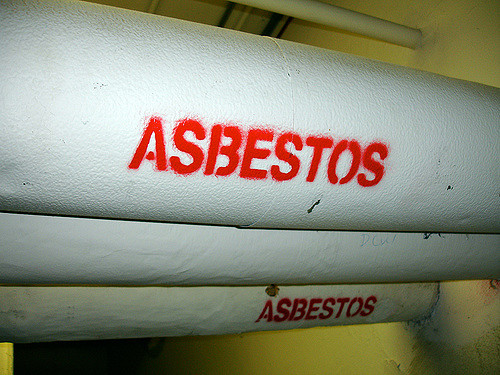
While drilling, hammering and the usual DIY tasks are all of course potentially dangerous in their own right, what is causing the most concern to professionals is the fact that without knowing it many individuals are opening up old furniture which may well contain asbestos. Asbestos, as you might know may cause a number of health-related concerns if precautions are not taken when handling it.

A recent campaign which looks to open up people’s eyes to the potential for harm that comes from upcycling old furniture while not being aware of the risks is doing great things for spreading awareness. More can be found on Twitter on the #HealthandHome hashtag and via the handy infographic below.

finalslatergordon-diy-infographic-v2-002

Don’t give up on upcycling, far from it! Just make sure that you stay safe while you’re doing it.

PS: I did not paint the carpet on purpose to get a new one. Just so we’re clear on that.

Thanks to Slater and Gordon Lawyers for the information and for running this campaign which will help keep us DIY fans safe.
