
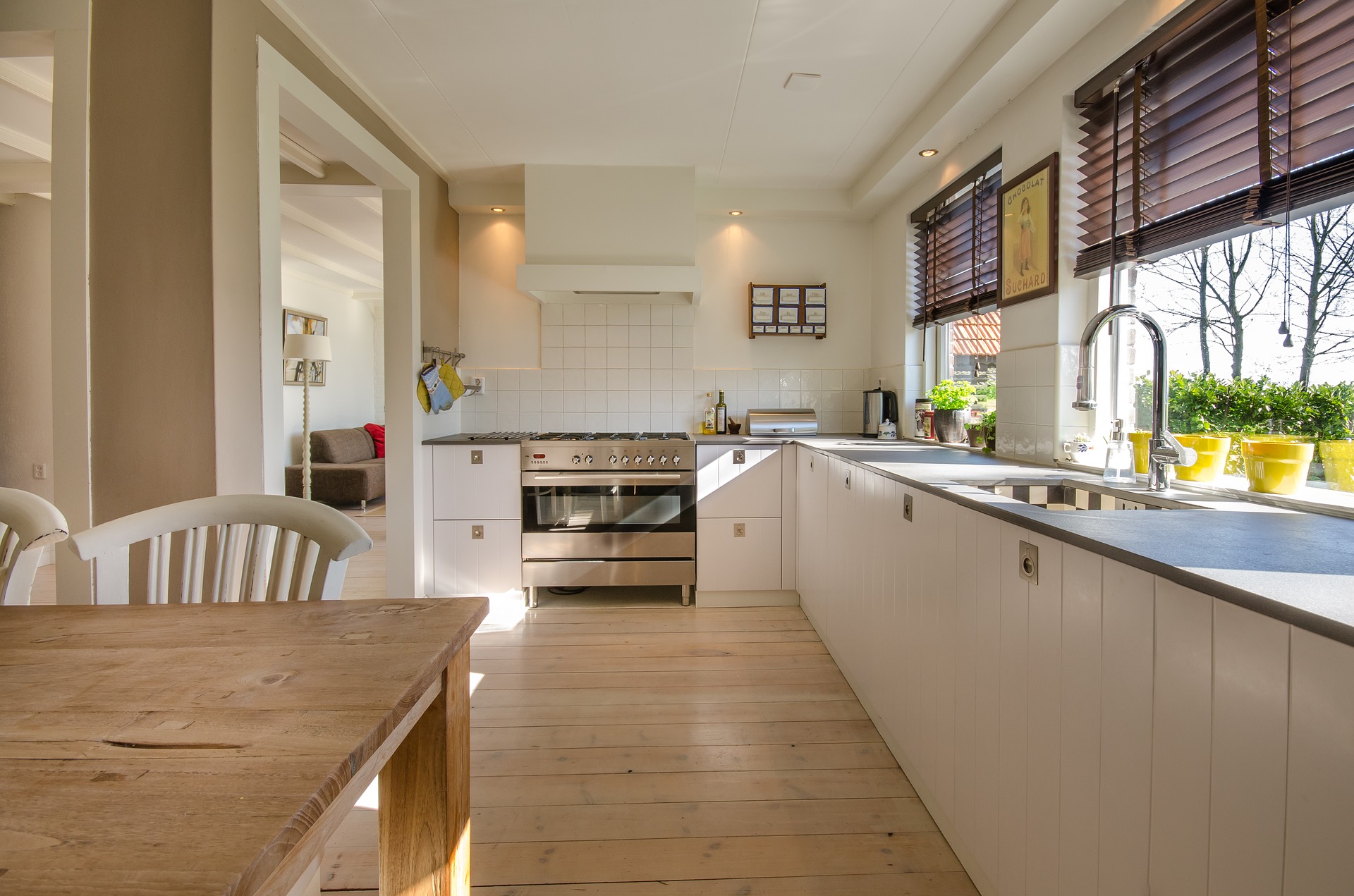
Designing a dream home is something Roy and I have been working on for some time. It’s an ambition that many of us have, especially once we start a family and realise that we now have many needs to meet. It’s a big project, and for many it’s a labour of love that spans over the years. Every project must have a starting point, and in family homes, that is often logically the kitchen. One of the most hard-working rooms in any home, the kitchen is often the hub of family life – where we wind down after a busy day, reconnect with our kids when they come home from school, and entertain friends and family.
Good design is crucial to maximise the potential of your space and meet all these needs. First and foremost, kitchens are practical spaces that must combine great looking finished with functionality. Great care must be taken in getting the layout and ergonomic flow of your dream home space right, choosing appropriate materials for worktops and flooring, installing the right cabinets and other storage to meet your needs, selecting the right appliances, and finishing it all off with the perfect accessories. With a little consideration, it is possible to create a chic and practical space that also reflects your personal style and aspirations.
Approaching Your Dream Design
We all use our kitchen space in slightly different ways. There are a lot of factors to take into account when creating a dream design – from the amount of space you have available, your budget, activities you like to do and the lifestyle that you lead. Our kitchen, for example, is always very busy! These will have a large impact on the design choices that are the right fit for you and your family. Despite these differences though, there are still some principles of great design that apply universally, and these form the ground rules for your new space.
Start by dividing your kitchen space into four distinct areas – the first for washing and food prep work. This area needs to take account of your range or oven, a microwave if you use one, an extractor fan to whisk away smoke and cooking smells and other appliances such as a blender. It’s important to ensure that this area is not located in the way of a main thoroughfare through the room- having people traipsing through in the middle of cooking is distracting and can be dangerous.
You should also think about the space requirements for the work you will do here- room to plate up meals, open up the oven or range doors fully and move around with pans – at least a metre is about right.
The second area should be located away from the first, and contains the refrigerator and freezer, your kitchen bin, the sink and your dishwasher. Keeping it separate from the first area means other people can assist with the washing up, or help themselves to a drink without disturbing the person cooking. Ideally locate them closest together so that leftovers can be decanted into containers or scraped into the bin and then plates, glasses and cooking equipment can be quickly rinsed and put in the dishwasher. You can also go a step further and locate storage for plates, cups, bowls, cutlery and glasses nearby for handy putting away once they’re clean and dry.
You may be lucky enough to have the space to plan in a separate utility room, but if space doesn’t allow for that, you will also need to choose a home for your washing machine and dryer. Save space by upgrading to a combined washer-dryer unit, which can be concealed behind cabinet doors if you don’t want it on display. We’ve had some pretty small spaces kitchen-wise and you’d be surprised about how creative you can get if you’re savvy with that space.
The modern trend for open plan living means that many of us, especially those with young families, also want a dining or family lounge area and this, of course, needs to be placed as far away from the working area of the kitchen as possible. An island unit can be a great way to divide the two spaces while also providing much-needed storage – some even incorporate a wine fridge! Other options are to include a breakfast bar with stools for some informal dining and seating options, and this can be especially helpful where space is at a premium.
Styling Your Kitchen
With the layout down pat, you can turn your attention to the styling of this important space. This is your chance to add some passion and personality to your dream home kitchen. Start by considering the cabinetry and the overall context of the look and feel you’re trying to achieve – are you after a country kitchen feel with wooden Shaker-style units, or a sleek, modern design with handle-less high gloss? Could an industrial feel with metal shelving work? Or would you like a vintage design with freestanding parts? Gather plenty of design inspiration with Pinterest Boards or sites such as Houzz. It might sound daft but trawling through listings on Rightmove or similar is a great way to source dream home inspiration.
You may inject a splash of colour or pattern by choosing flooring, wall colours, tiled splashbacks and worktops. If the budget allows, always go for high-quality natural materials which are hard wearing, practical and attractive.
You can also complement your dream home kitchen with great hardware such as handles, sinks and taps. These details can get quite expensive so get the best deals by shopping online in places like Tap Warehouse.
Consider the style you’ve chosen for your dream kitchen when it comes to materials – Corian or steel are durable and futuristic, granite and marble luxurious options while painted wood can be ideal for family life as it’s easy to repaint when it gets marked up or scuffed, or if you fancy a change of colour!
Nail Your Dream Home Storage Options
Good storage is crucial in a family home- it’s the key to an organised space that functions well and is easy to declutter at the end of a busy day. Plan out everything around the kitchen equipment you have to store – cutlery, crockery, pans, appliances, cleaning products, food and drink – and don’t forget items such as the ironing board and the vacuum. Once you’ve taken stock of all this, you’ll know what you need to store.
Think outside the box of the usual cupboard and shelving layout, as there are so many great options available- a pull out larder can be a great way to store tins, packets and storage containers for cereal or pasta. If you’re a wine lover, you can have racks put in to hold bottles of red, or a chiller for whites and champagnes. If you want to hide away the bin, you can get concealed ones to live under the kitchen sink, and awkward corners can be made useful with pull-out rotating racks to hold jars or spices, or even sturdier ones designed to hold casserole dishes and big pots. If you’re designing an open-plan kitchen and family room, you may also want to include some storage baskets for toys, games and other kids’ clutter to keep things nice and organised, or look for seating such as a corner sofa or an ottoman with hidden storage in the base for a super stylish solution.
Let There Be Light
Lastly, let some light on the subject by planning a great lighting scheme – this really can take your kitchen from drab to fab in an instant. Modern kitchens are multi-functional, so the lighting needs to be the same- you’ve got to cover eating, socialising, relaxing, and cooking! The right lighting can solve a lot of problems, hiding architectural flaws or highlighting great features, and making up for dingy spaces with a lack of natural light.
Go back to your original plan with the designated areas for food prep, storage and cooking and match these areas with lighting. The types to consider are task lighting for work areas, mood lighting for social areas and accent lighting to highlight features or add light to dim corners. LED down lights are great for work areas, while a cluster of statement pendant lights creates an intimate, convivial dining area. If you have the budget to go seriously high-tech, you can opt for an intelligent lighting system that uses a Wi-Fi connection to create sets of lighting patterns which can all be controlled using a smartphone or tablet – customising the brightness, colour etc of your dream home.
A top tip is to not forget about natural light when planning from scratch. Velux windows are a great way to flood a room with light, as are bi-fold doors if you’re facing the garden. The extra light bounces off all the surfaces making for a bright and welcoming space, as well as providing a flow between inside and out.
We’ll be taking this advice on board when we hopefully move into our dream home soon. I’ll keep you posted.

